
We’ve all heard the saying: “They don’t make them like they used to.” Well, at Vater Percussion, they still do!
Vater Drumsticks are still made the same way, resulting in a consistent and durable drumstick trusted by drummers of all genres worldwide. What makes the difference is hands-on craftsmanship, higher moisture content in the raw material, lathe turning, tumble finishing, hand rolling, and family ownership and operation.
The Facts
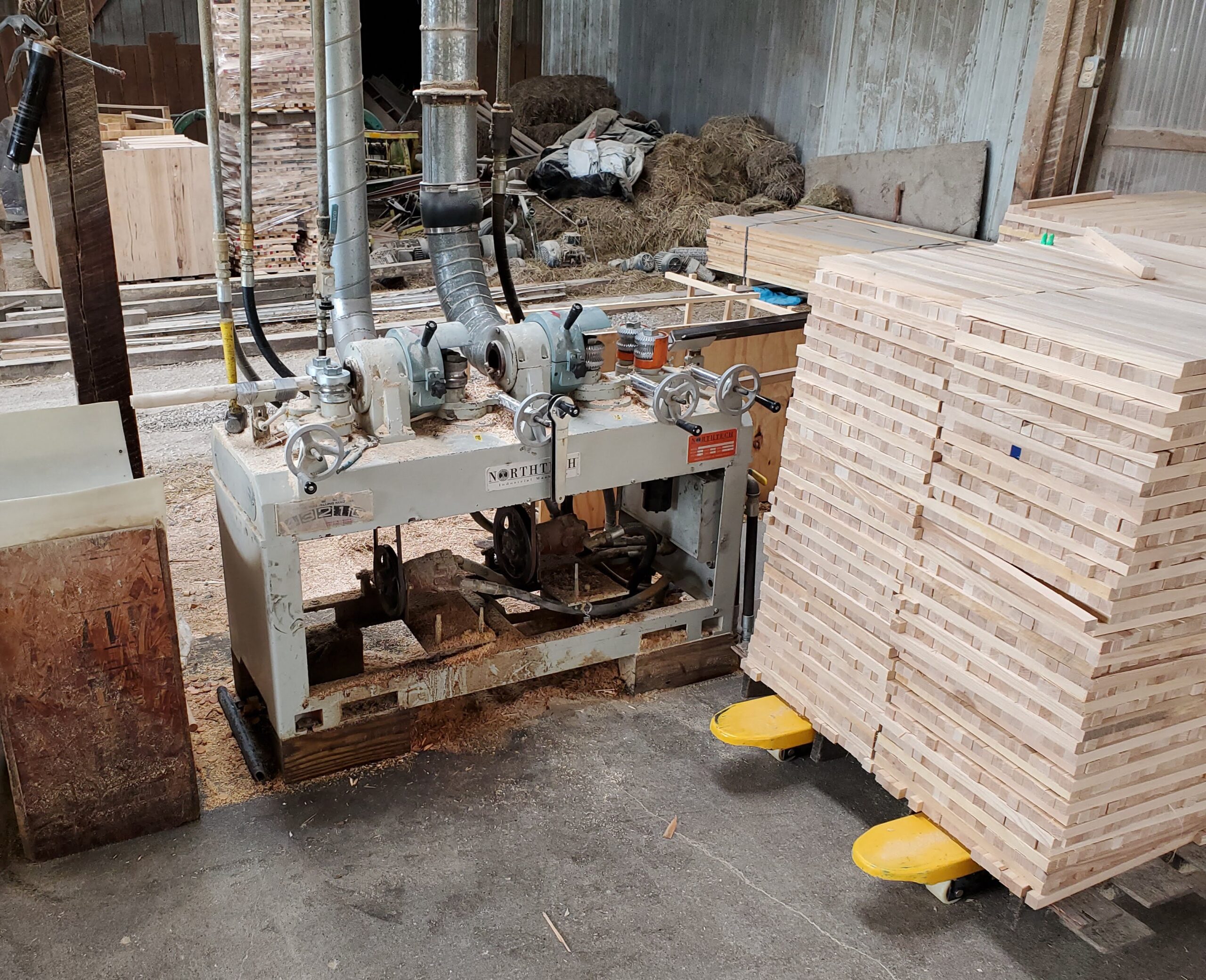
Vater has several wood suppliers. Our partners adhere to Vater’s strict specifications and quality terms, providing Vater with the best Hickory and Maple for making drumsticks.
- Hickory grows only in the United States and is the first and best choice for producing striking tools. Hammers, axe handles, and yes, drumsticks are made from American Hickory as it absorbs a great amount of shock.
- The best process for producing white Hickory is to use low temperatures when Kiln drying so as not to “pink” the wood. The Kilns start drying at 85 degrees and are slowly increased, but never exceed 105 degrees.
- The kiln-drying cycle time that yields the best results is 2 1/2 weeks.
- Vater’s Hickory is stress-relieved, which is done by slowly raising the temperature at the end of the drying cycle for 8 hours. This relieves the stress in the wood and produces straight sticks that stay straight.
- Vater uses the 2 best Hickory species for its drumsticks, which are Shell Bark and Shag Bark Hickory
- Vater uses a dowel moisture content specific to “striking” tools (10%-12%). Some of Vater’s major competitors use a moisture content known for furniture manufacturing (6%-8%). Wood is a cellulose fibre and water; the more moisture you extract, the weaker the wood. The more moisture present (as in Vater sticks), the stronger the wood.
- Vater produces 85% of its drumsticks from Hickory and 15% from Sugar Maple.
- Only the outer 3″-5″ of the Hickory tree is used to make drumsticks. This is the live part of the tree, which is called the sapwood.
- It takes 16-22 years for a Hickory tree to grow before it is harvested for drumstick production.
- Each time a Hickory tree is cut, another one is planted. New trees are also produced from the Hickory Nuts that naturally fall from the trees.
- Sugar Maple is a lighter-weight wood that is still durable and produces a fast-feeling stick with warmer-pitched tones. Due to its lighter weight, Sugar Maple is a great choice for someone who is looking for a thicker stick without the extra weight.
The Process
Vater’s undivided focus is to give you the highest quality drumsticks, speciality sticks, and drum accessories in the world.
Step #1
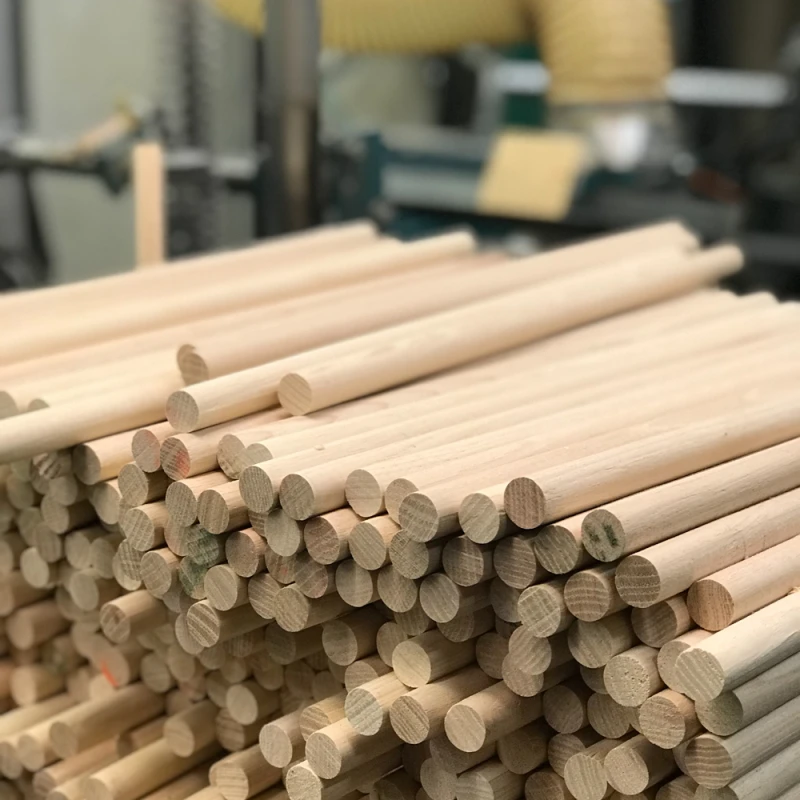
Each Vater stick starts from a raw dowel. Vater accepts only the highest quality Hickory and Maple dowels with a particular moisture content reading from wood suppliers.
Step #2
Vater’s sticks are cut on back-knife lathes. Each stick model is turned from its own steel knife designed to the specifications and measurements of that model.
Step #3
Each stick is then put through a delicate sanding process. With machines custom-designed by Vater, each stick is evenly sanded with impeccable consistency and feel.
Step #4
The wood tips are shaped using an extremely accurate automated process. Each stick is inserted into a cylinder in which a size/shape-specific knife shapes the tip. The stick is then released, leaving a perfectly shaped tip every time.
Nylon tips are applied using a custom-designed automated machine built exclusively for Vater. Each stick spins while the glue is applied evenly around the wood-to-nylon tip contact surface area. The tip is then forced on the stick with a great amount of air compression, leaving it permanently “locked” on the stick.
Step #6
Sticks are then put in a revolving tumbler that evenly applies the sealer and finish coats. This process leaves every stick with that famous Vater finish and feel.
Step #7
Each stick is then rolled down a set of steel pipes by a quality control expert. Sticks that are warped or have a mineral streak / visual blemish are then taken out and become 2nd quality sticks. The sticks that make it through are considered 1st quality… for now.
Step #8
Alan Vater then personally re-rolls every stick that made it through the first rolling process on a pure black surface. Alan removes every stick that he comes across that isn’t 100% straight
Step #9
Now worthy of the Vater name, the sticks are then labelled on a pad-printing machine. Silicone pads apply pressure to a self-inking metal plate etched with the Vater logo and model name, leaving the image on the pads. The pads then come down and apply the image to the stick.
Step #10
Each stick is then put through Vater’s computer pitch and weight-matching system. The pitch and weight of each stick are recorded, and the stick is placed into a designated bin. Each stick within a specific bin will have the same pitch and weight as the others in the same bin.
Step #11
The sticks from each individual bin are then colour-matched in bar-coded sleeves, leaving a perfectly pitch- and weight-matched pair.
Step #12
“Bricks” of 12 pairs are then shrink-wrapped in plastic. This dramatically decreases the potential loss of moisture content in the sticks, keeping them straight. The sticks are now ready to be put in stock and shipped to drummers all over the world.
Vater Quality Pledge
Each pair of Vater drumsticks is guaranteed to be straight, consistent, and weight/tone matched by computer analysis when leaving our Massachusetts factory. Nylon tips are guaranteed not to fall off, crack, or break for the performance life of the drumstick. All Vater products are manufactured to meet our strict high-quality standards, giving you the best possible experience on your instrument. Thank you for choosing Vater!


